IPG Autumn Conference 2026
Key takeaways from the IPG Autumn Conference.
AI adoption in publishing has nearly doubled in the past couple of years. With the AI sector growing at an increasingly rapid pace, the question for publishers is no longer simply whether AI will change the industry, but rather how quickly, and how well, they can respond to it.
This was one of the prevailing topics from this year’s IPG Autumn Conference, where the theme ‘Publishing growth in every postcode’ brought together publishers, industry experts, and thought leaders to explore the opportunities and challenges shaping publishing today.
Here are our key takeaways.
1. The AI question has changed from Can we? to Should we?
76% of publishing professionals surveyed by Dr Miriam Johnson of Oxford Brookes University in partnership with the IPG are now using AI, up from 42% in 2023, while almost 73% of publishing organisations now have a formal AI policy.
These figures show just how quickly AI has moved into the mainstream of publishing. But perhaps the most interesting survey finding was not the increase in adoption but the change in attitude.
“Can” vs. “should” has become a prominent debate for publishers when it comes to AI use. It can be tempting to frame the industry as divided into two camps: those embracing AI and those resisting it. But the research suggests publishers are holding a more complicated, and arguably, more pragmatic middle ground. These publishers are experimenting with AI while asking difficult questions about where it belongs. At the same time, there remains an overwhelming consensus that AI use should remain independent of the creative process.
Publishers are increasingly policing submissions, while authors and creative partners are more suspicious about how AI is being used. Luckily, there is a more hopeful side to this. As AI makes it easier to create content at scale, trust, transparency, and consent could become more valuable, not less. Being able to demonstrate where content came from, how it was created, and what role people played in its production may become an increasingly important part of the publishing proposition.

2. AI licensing could become one of publishing’s biggest new opportunities
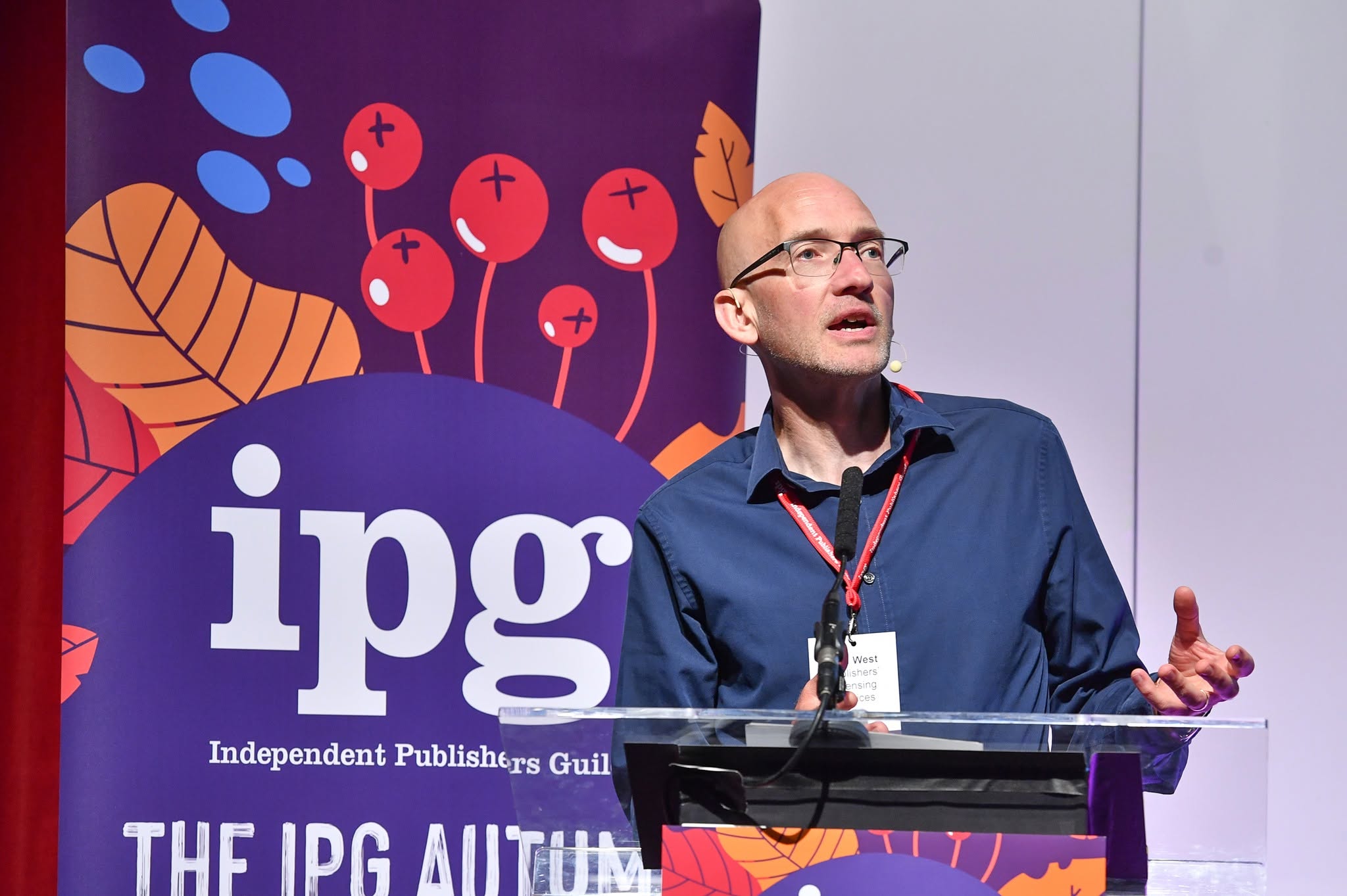
The scale of the commercial opportunity was a major theme of ‘The AI Licensing Landscape’, presented by PLS’ CEO Tom West, Muwzo AI’s CEO Ritch Sibthorpe, and IPG policy correspondent George Walkley.
They highlighted that $3.2bn in known AI data licensing revenue has been generated since 2023, alongside the rapid growth of the wider AI sector. For publishers, this points towards a potentially significant new market for intellectual property.
As a result, three licensing models have emerged:
- using IP directly within a prompt box for analysis and summarisation,
- retrieval-augmented generation (RAG) to access licensed content in real time, and
- training or fine-tuning AI models on existing content.
These aren't simply different technical approaches; these represent different relationships between publishers, their content, and AI companies. As these models mature, publishers will need to understand exactly what they are licensing, how their content is being used, and where the commercial value sits.
Collective licensing offers a possible route through that complexity. It could give publishers greater control over how their content is used, while providing AI companies with a clearer and more efficient way of accessing licensed material.
There is also an important policy dimension. As governments consider how best to respond to the impact of AI on the creative industries, the publishing sector has an opportunity to demonstrate that collective licensing is already a workable, scalable model.

3. The legal landscape is moving quickly… and it isn't settled
More than 55 publishing-related AI litigation cases were highlighted during the conference, underlining the scale of the legal debate already taking place.
One of the most significant examples is Bartz vs. Anthropic, a case that centred on allegations that Anthropic used pirated copies of books in developing its Claude AI models. The case produced an important, yet nuanced result: the court found that Anthropic's use of lawfully acquired books for AI training was fair use, by the US’ legal definition, while its use and retention of pirated copies raised separate copyright issues.
The important point for publishers to remember is that there is no blanket rule. The US Copyright Office's case index currently records Bartz vs. Anthropic as a ‘Mixed Result’, alongside other AI cases reaching different conclusions. The legal position remains fact-specific and continues to develop through litigation.
For publishers, this uncertainty makes the development of clear licensing routes even more important.
4. Publishers own content AI companies increasingly want
The conference highlighted five areas of particularly strong demand for AI licensing: news and current affairs, academic and scientific journals, medical and clinical literature, reference and encyclopaedic content, and multilingual and local-language material.
AI companies aren't therefore simply looking for more content; they now desire specialist, authoritative, and knowledge-based content that publishers are well placed to provide.
Well-structured, metadata-rich archives are particularly important in this regard, as they will make it easier to identify, manage, and license content, while helping demonstrate its value to potential partners.
For publishers, the question is becoming less “What have we published?” but rather more “What value could our intellectual property create in an AI-enabled world?”
5. AI isn't the only change publishers need to prepare for
Although AI dominated many of the conversations, the conference was a useful reminder that future-proofing publishing requires a broader perspective.
The IPG's new Sustainable Business Toolkit highlights the continuing importance of reducing the industry's environmental impact, from paper and printing to transport, distribution, waste, business travel, commuting, and digital activity.
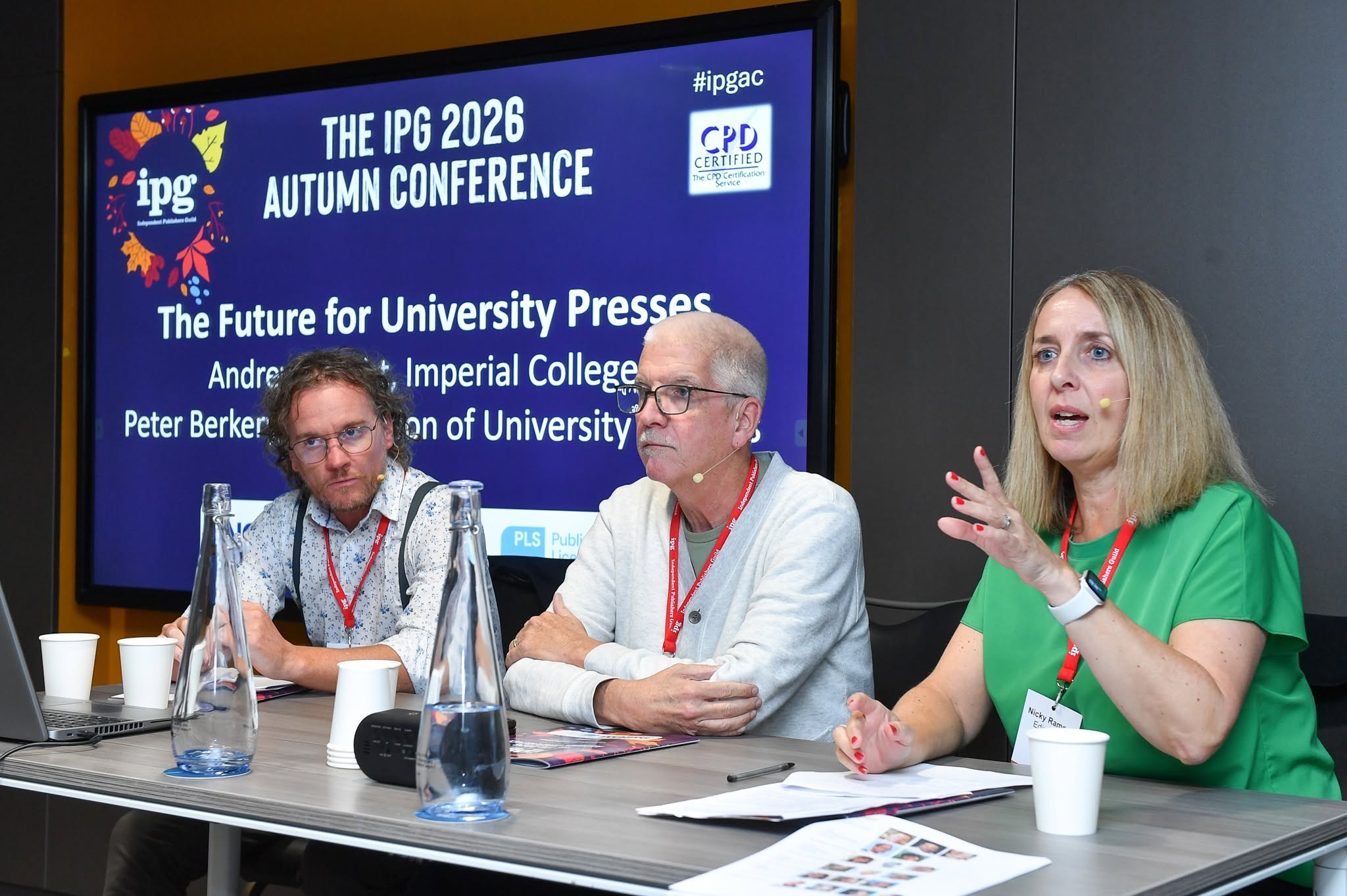
Meanwhile, the session on the future of university presses explored the challenges around open access, sustainable funding, diversification, and new content formats.
There was a particularly strong message around viability: before organisations can future-proof themselves, they need to understand their present position – including their costs, viability and market share – and then consider where they need to adapt.
Perhaps the biggest takeaway from the IPG Autumn Conference was that the future of publishing isn't simply about becoming more technologically advanced. It’s about becoming more discerning.
AI will continue to transform how content is created, accessed, licensed, and commercialised. But the value of publishing will continue to depend on trusted information, intellectual property, creativity, relationships, and expertise.
The publishers best positioned to navigate the next few years will be those that embrace the opportunities AI presents whilst protecting the things that make publishing valuable in the first place. They will invest in new technology, but also in people who can challenge it; they will explore new commercial models, while maintaining strong relationships with authors and creative partners. Most of all, they will innovate without losing sight of trust.
Thanks once again to the wonderful IPG team, we’re already looking ahead to next February’s Spring Conference!